
Bourbon Trail Distillery Tours by Region: The 2026 Geographic Strategy Guide
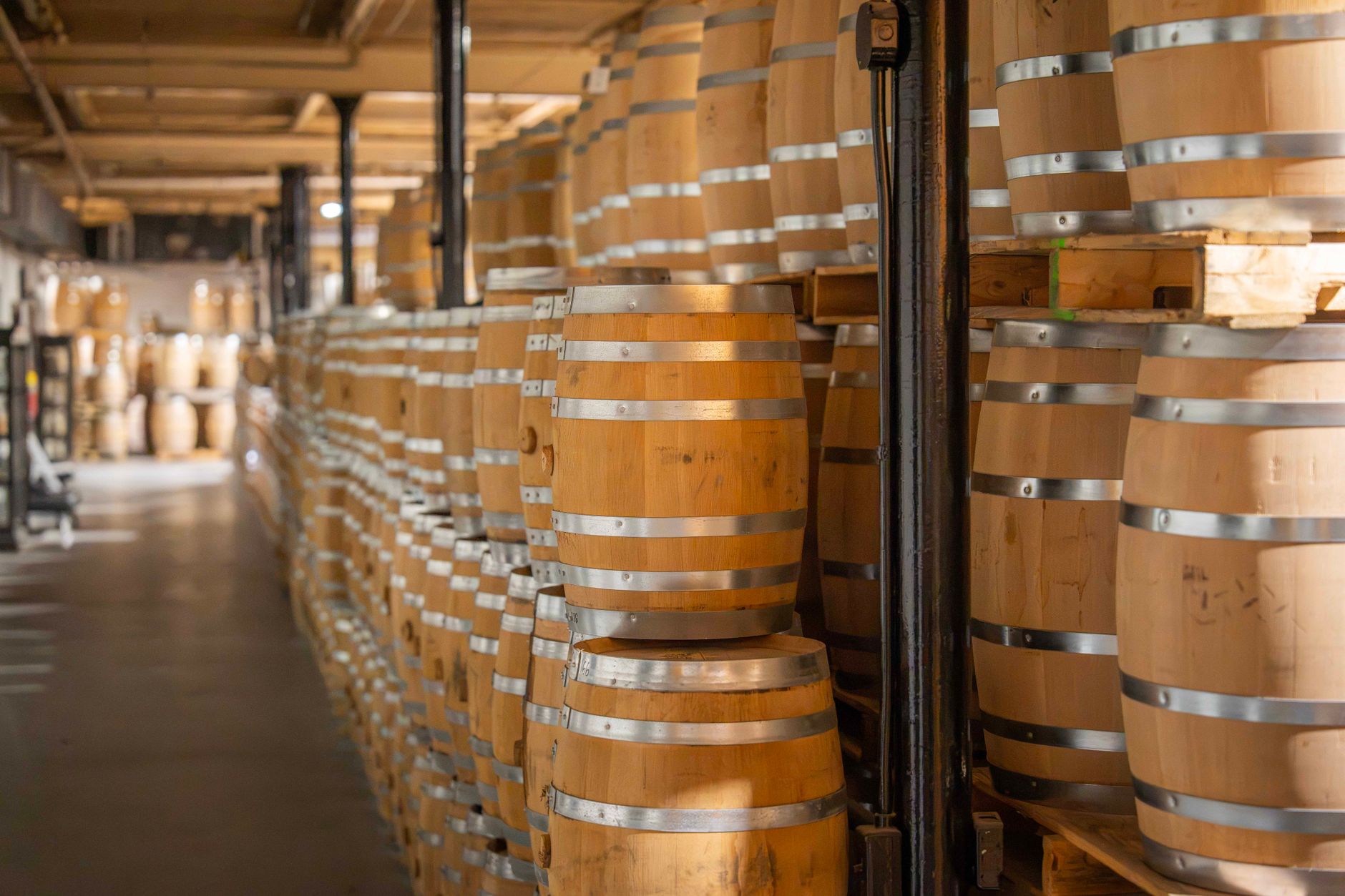
The Kentucky bourbon landscape has fractured—in the best possible way. With the Bourbon Trail now exceeding 45 licensed distilleries following the 2025 craft boom, the old “hit everything in one loop” mentality has become mathematically impossible for most travelers. The result? A surge in regional specialization, where savvy visitors are abandoning the marathon approach in favor of deep-diving into specific geographic clusters.
Understanding bourbon trail distillery tours by region isn’t just about geography—it’s about matching terroir, tour styles, and travel logistics to your specific palate and schedule. Whether you’re flying into Louisville for a weekend or road-tripping through the Bluegrass for a week, treating the trail as four distinct zones rather than one monolithic checklist will transform your experience from exhausting to extraordinary.
Louisville Metro: Urban Intensity Meets Historic Legacy
Louisville has evolved beyond its role as mere gateway city to become a legitimate bourbon destination in its own right. The region now hosts the highest concentration of distillery experiences per square mile, anchored by the Whiskey Row revival and the NuLu district’s craft explosion.
The Vibe: Fast-paced, walkable, and cocktail-forward. This is where you find the intersection of bourbon culture and urban energy—think distillery tours followed by Michelin-adjacent dining without moving your car.
Key Players & Tour Styles:
- Angel’s Envy (downtown): Their “Finish Line” tour focuses on port barrel finishing, offering a more intimate 45-minute experience compared to larger production facilities. Book the “Bottle Your Own” add-on if available.
- Rabbit Hole (NuLu): A modern architectural marvel offering “grain-to-glass” technical tours. Their 2026 expansion added a dedicated rye whiskey experience that dives deep into mash bill chemistry.
- Old Forester (Whiskey Row): The only distillery operating continuously since before Prohibition. Their “Nothing Better in the Market” tour emphasizes the history of bottled-in-bond standards.
- Michter’s (Shively, 20 minutes south): The “Fort Nelson” tour requires advance reservations but offers the most detailed barrel-entry-proof education on the trail.
Logistics: You can realistically hit 3-4 distilleries here in a single day using rideshares or the city’s bourbon shuttle services. Parking is plentiful but paid ($10-20/day in downtown garages). The region excels for travelers who want evening entertainment options beyond distillery gift shops.
Bardstown/Nelson County: The Heartland Concentration
If Louisville is bourbon’s brain, Bardstown remains its beating heart. This region—encompassing Bardstown proper plus the surrounding Nelson County countryside—offers the densest concentration of major heritage brands within a 15-mile radius.
The Vibe: Pastoral, historic, and unapologetically traditional. This is where you come to understand bourbon’s agricultural roots, with rickhouses dotting the horizon and the smell of sour mash hanging in the humid air.
Key Players & Tour Styles:
- Heaven Hill Bourbon Experience: Their “Behind the Barrel” tour ($35) includes a thieving demonstration from their 7-story rickhouse. The 2026 renovation added a dedicated “Bottled-in-Bond” educational wing.
- Maker’s Mark (Loretto, 20 minutes southeast): Worth the drive for their “Star Hill Farm” sustainability tour, which now includes their 2025 solar array and water reclamation systems. The hand-dipping experience remains the trail’s most Instagrammable moment.
- Barton 1792: Offers the most generous complimentary tasting (typically 4-5 expressions) of any major distillery. Their “1792 Estate” tour covers the historic Tom Moore Spring.
- Lux Row (opening their new visitor center in Q2 2026): The “Blood Oath” experience focuses on their limited-edition blending program.
Logistics: Base yourself in Bardstown proper. Distilleries here require 15-25 minute drives between locations on winding rural roads. Plan for maximum 3 tours daily—the driving adds up, and you’ll want time for the Oscar Getz Museum of Whiskey History between tastings. Most tours here run 60-90 minutes, longer than urban counterparts.
Frankfort/Lawrenceburg: The Capital Corridor
Often overlooked by first-timers racing between Louisville and Lexington, the Frankfort region offers the trail’s most distinctive architectural experiences and the Kentucky River’s dramatic limestone geology.
The Vibe: Government-town-meets-industrial-heritage. This region feels more “working bourbon country” than tourist trail, with active rickhouse complexes dominating the skyline.
Key Players & Tour Styles:
- Buffalo Trace: The trail’s most comprehensive free tour (yes, still free in 2026). Their “Trace Tour” covers the entire 200-acre campus including the experimental Warehouse X. Arrive before 9 AM for same-day availability; they don’t take advance reservations for standard tours.
- Castle & Key (Millville): The restored 1887 Old Taylor Distillery offers the trail’s most botanical experience. Their “Gin & Whiskey” dual tour explores the sunken gardens and limestone spring house.
- Four Roses (Lawrenceburg): The Spanish Mission-style architecture makes this the most photographed stop. Their “Single Barrel” tour focuses on their unique 10-recipe system.
Logistics: This region works best as a “connector day” between Louisville and Lexington, or as a dedicated day trip from either city. Distances are short (10-15 minutes between stops), but tour times are rigid—Buffalo Trace’s walk-in system requires strategic timing. Pack snacks; dining options are limited compared to other regions.
Lexington/Bluegrass: Horse Country Crossover
The eastern anchor of the trail blends bourbon with Kentucky’s other famous export. This region attracts visitors who want to combine distillery tours with horse farm visits, offering a more varied daily itinerary.
The Vibe: Refined, equestrian-adjacent, and slightly more polished than the western regions. Think white fences, rolling bluegrass hills, and bourbon experiences that emphasize the “sipping” culture over the “production” process.
Key Players & Tour Styles:
- Woodford Reserve (Versailles): The “Path to Flavor” tour ($25) includes a sensory analysis of their five sources of flavor. Their 2026 “Double Oaked” experience offers a deep dive into their secondary barrel finishing.
- Town Branch (Lexington): The only distillery on the trail located within city limits of a major metro. Their “Lexington Brewing & Distilling” combo tour covers both beer and whiskey production.
- Wild Turkey (Lawrenceburg, technically Frankfort region but often grouped here): The “Rare Breed” experience offers barrel-proof tastings with their legendary master distiller team.
Logistics: Lexington serves as an excellent base for travelers who want urban amenities (the Distillery District’s dining scene) with easy access to rural distilleries. Woodford Reserve requires the most advance planning—book 60+ days out for weekend slots. The region excels for mixed-interest groups where not everyone wants to spend 8 hours discussing mash bills.
Building Your Regional Itinerary
The most common mistake we see in 2026? Trying to “do” two regions in one day. The driving times are deceptive—Louisville to Bardstown is 45 minutes, but add in tour times, tastings, and the inevitable gift shop browse, and you’ve consumed six hours for just two distilleries.
The 2026 Regional Strategy:
- Weekend Warriors: Pick ONE region. Louisville for urban energy, Bardstown for heritage immersion.
- 4-Day Trips: Combine Louisville (2 days) with either Frankfort (1 day) or Bardstown (1 day).
- Week-Long Explorations: Louisville (2 days) → Bardstown (2 days) → Frankfort (1 day) → Lexington (2 days), with a buffer day for revisiting favorites.
Booking Windows by Region:
- Louisville: 2-3 weeks advance (except Michter’s—book 60 days out)
- Bardstown: 4-6 weeks for Maker’s Mark and Heaven Hill
- Frankfort: Buffalo Trace requires same-day arrival strategy; others 2 weeks
- Lexington: Woodford Reserve 60+ days; Town Branch often has last-minute availability
Transportation Reality Check: While Louisville offers legitimate rideshare coverage, once you hit Nelson County or the Frankfort rural routes, cell service becomes spotty and Uber availability drops to zero. Rent a car with GPS, or book one of the regional shuttle services that now operate between specific clusters (Bardstown Bourbon Shuttles and Bluegrass Executive Transportation both expanded their fleets in 2025).
Final Thoughts
Mastering bourbon trail distillery tours by region transforms you from a checklist tourist into a geographic strategist. The 2026 trail rewards depth over breadth—spending three days understanding why Bardstown’s limestone water differs from Louisville’s river influence teaches you more about bourbon than rushing through fifteen distilleries ever could.
Start with the region that matches your travel style. If you want walkability and nightlife, Louisville delivers. If you want to stand in 200-year-old rickhouses feeling the Kentucky humidity, head to Nelson County. If you want architectural grandeur without the crowds, Frankfort awaits. And if you need to justify the trip to a non-bourbon-obsessed partner, Lexington’s horse country crossover provides the perfect compromise.
The bourbon isn’t going anywhere, but your time in Kentucky is finite. Choose your region, book those tours, and remember: the best distillery is the one where you have time to actually taste the whiskey.